
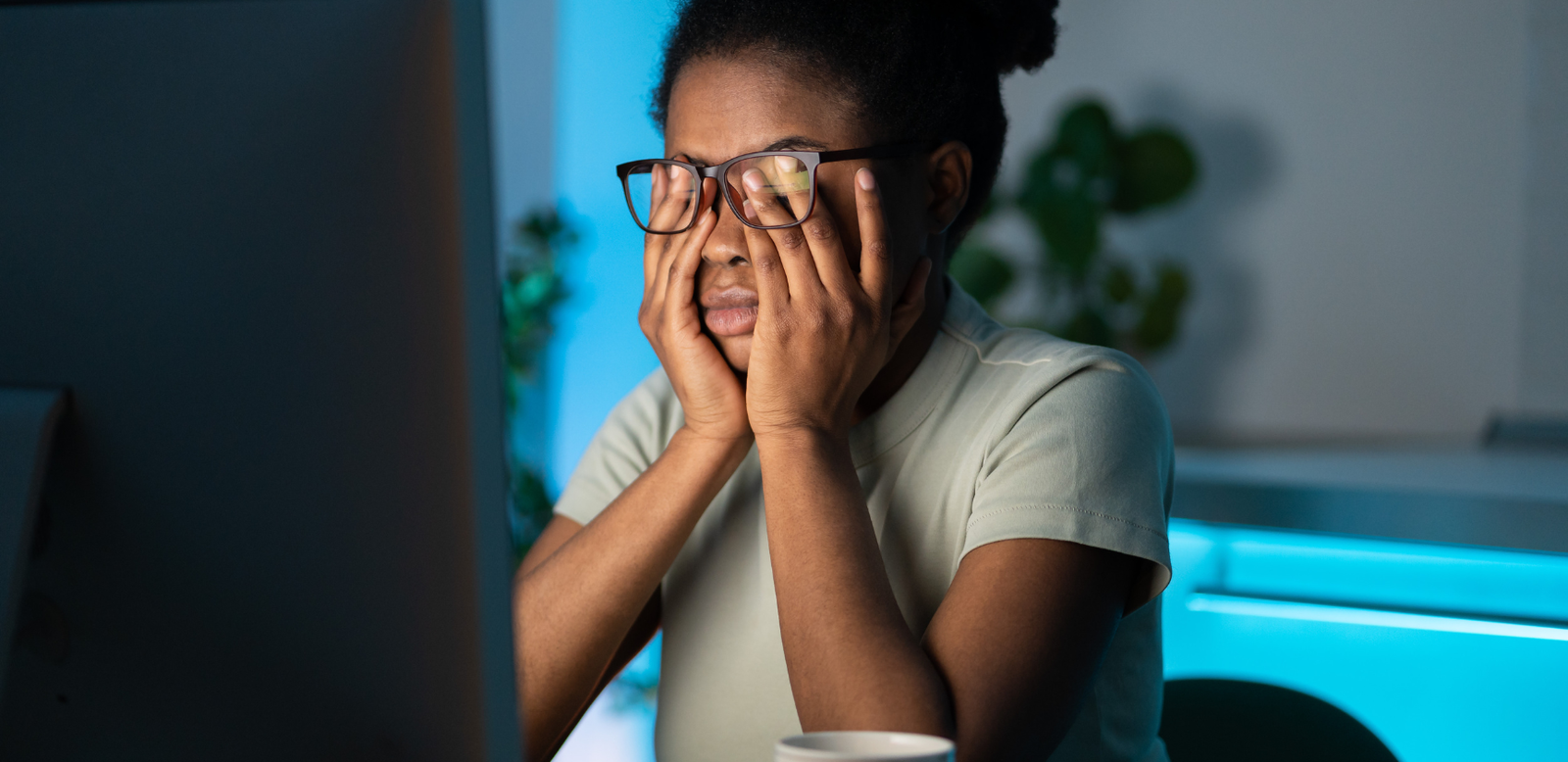
Many of us are familiar with the immediate discomfort of digital eye strain – the headaches, tired eyes, and blurry vision after a long day of looking at screens.
The 20-20-20 rule can be very helpful – every 20 minutes, take a 20-second break to look at an object that is at least 20 feet (6 meters) away. However, while tips like these can provide some relief, what about the bigger picture? The daily exposure to screens has potential long-term consequences for our vision that deserve closer attention. Understanding these risks is the first step toward actively protecting your eye health for the future.
This guide will move beyond short-term fixes to explore the lasting impact of our digital habits. We will cover how to future-proof your vision with practical strategies that address the root causes of screen-related eye issues.
Understanding the Long-Term Effects of Digital Eye Strain
Consistent, prolonged screen time can contribute to more than just temporary fatigue. It can lead to significant changes in our eye health and vision over time.
The Rise of Myopia
One of the most concerning trends linked to increased screen use is the global rise in myopia, or nearsightedness. When we spend hours focusing on close-up objects like phones and laptops, our eyes adapt to this near-vision demand.
Over time, especially in children and young adults whose eyes are still developing, this can cause the eyeball to elongate, leading to difficulty seeing distant objects clearly. This isn’t just a matter of needing stronger glasses; high myopia increases the risk of more serious eye conditions later in life, including retinal detachment, glaucoma, and cataracts.
Blue Light and Potential Retinal Damage
Digital devices emit high-energy visible (HEV) light, commonly known as blue light. Unlike UV light, which is mainly blocked by the cornea and lens, blue light penetrates all the way to the retina. While research is ongoing, some studies suggest that long-term, cumulative exposure to blue light could contribute to damage to retinal cells.
This is a concern because the retina is responsible for converting light into the signals our brain interprets as images. Damage to this vital tissue can potentially accelerate conditions like age-related macular degeneration (AMD), a leading cause of vision loss.
Chronic Dry Eye Syndrome
When we stare at screens, our blink rate can drop by as much as half without us even noticing. Blinking is crucial because it spreads a fresh layer of tears across the eye’s surface, keeping it moist and clear. A significantly reduced blink rate day after day can lead to chronic dry eye syndrome.
Symptoms extend beyond occasional dryness and may include persistent stinging, burning, redness, and a gritty sensation in the eyes. If left unmanaged, severe chronic dry eye can damage the front surface of the eye and impair vision.
How to Future-Proof Your Vision
Protecting your eyes from the long-term effects of digital eye strain requires a proactive approach that goes beyond basic tips. Here are actionable strategies you can implement to safeguard your vision.
1. Invest in Advanced Lens Technology
One of the most effective ways to mitigate screen exposure is to use glasses with specialised lens coatings. At The Eye Scene in Double Bay, we offer lenses with a blue light filter. These lenses are engineered to selectively block or absorb a portion of the blue light emitted from digital screens, reducing its reach to your retina. This can help decrease visual fatigue and lower the long-term risks associated with blue light exposure.
2. Create an Ergonomic Workspace
The setup of your workspace has a significant impact on your eyes and body. An ergonomic environment reduces strain and promotes better visual habits.
Position Your Monitor: Place your computer screen about an arm’s length away (50-60cm) and ensure the top of the screen is at or slightly below eye level.
Control Glare: Use an anti-glare screen filter and position your monitor to avoid reflections from windows or overhead lights.
Adjust Your Chair: Your feet should be flat on the floor, and your arms should rest comfortably at a 90-degree angle when typing.
3. Embrace the Power of the Outdoors
Numerous studies have shown that spending time outdoors can help reduce the risk and progression of myopia, particularly in children. Natural light and focusing on distant objects give our eyes a much-needed break from the strain of close-up digital work. Aim for at least one to two hours of outdoor time each day to help your eyes relax and reset.
4. Establish Screen-Free Zones and Times
Consciously unplugging is essential for your eye health. Designate specific times of day or areas in your home as “screen-free.” This could mean no phones at the dinner table, no devices in the bedroom an hour before bedtime, or dedicating a room in your house to non-digital activities, such as reading a physical book or listening to music. These habits help reduce your cumulative screen time, allowing your eyes a chance to recover.
5. Fuel Your Eyes with Key Nutrients
A balanced diet rich in specific vitamins and minerals plays a vital role in maintaining eye health. To support your vision from the inside out, incorporate foods containing:
Lutein and Zeaxanthin: Found in leafy greens like spinach and kale, these antioxidants help protect the retina from blue light and oxidative stress.
Omega-3 Fatty Acids: Present in fatty fish like salmon and tuna, omega-3s help maintain a healthy tear film and can alleviate symptoms of dry eye.
Vitamin C and E: Found in citrus fruits, berries, and nuts, these vitamins help protect eye cells from damage.
The Critical Role of Regular Eye Exams
These proactive strategies are powerful, but they are not a substitute for professional eye care. Regular comprehensive eye exams are the best way to monitor your vision and detect early signs of conditions like myopia, dry eye, or retinal changes.
During an exam at The Eye Scene in Sydney, our optometrists do more than just check your prescription. We assess the complete health of your eyes, discuss your lifestyle and digital device usage, and provide personalised recommendations to help you future-proof your vision.
Protect Your Vision for a Lifetime
Our digital world isn’t going away, so it’s essential to adapt our habits to protect our long-term health. By understanding the risks of digital eye strain and taking proactive steps, such as using blue light-blocking lenses and creating a healthier workspace, you can safeguard your most precious sense.
If you have concerns about your eye health or want to explore tailored solutions like blue light glasses, we invite you to book an appointment at our boutique eye store in Double Bay. Let our expert team help you preserve clear, comfortable vision for years to come.