Is your vision becoming cloudy, as if you’re looking through a frosty window? Are colours appearing faded and dull? These gradual changes are often the first signs of cataracts, a common and highly treatable eye condition that primarily affects people as they age. At The Eye Scene, our dedicated optometrists in Double Bay are here to guide you through every step, from initial diagnosis to post-operative care, ensuring your vision remains clear and vibrant.
This guide will explain what cataracts are, how to recognise the symptoms, the causes behind their development, and the modern surgical solutions that can restore your sight.
What Are Cataracts?
A cataract is a clouding of the natural lens inside your eye. Your eye’s lens, which sits just behind the coloured iris, works much like a camera lens. It focuses light onto the retina at the back of the eye to produce sharp, clear images. This lens is made mostly of water and protein, arranged in a precise way to keep it clear.
As we age, some of the protein can clump together, creating a small cloudy area on the lens. This is a cataract. Over time, the cataract can grow larger, making the lens more opaque and causing your vision to become blurry and dim. This process is usually slow and gradual, and you may not notice it at first.
Recognising the Symptoms of Cataracts
Because cataracts develop slowly, their initial symptoms can be subtle. However, as the clouding progresses, you may start to notice more distinct changes in your vision. Recognising these early cataract symptoms is key to seeking timely advice.
Common signs include:
- Cloudy, blurry, or dim vision: This is the most prevalent symptom, often described as looking through a dirty or fogged-up window.
- Faded or yellowing colours: Your perception of colour may change, with bright hues appearing dull or washed out.
- Increased sensitivity to light and glare: You may find headlights, lamps, or bright sunlight to be excessively glaring or see halos around them.
- Difficulty seeing at night: Night driving can become particularly challenging due to glare and reduced clarity.
- Frequent changes in your glasses or contact lens prescription: You might find your vision is changing more rapidly than usual.
- Double vision in one eye: In some cases, a cataract can cause you to see double images out of a single eye.
What Causes Cataracts?
Ageing is the most common cause of cataracts. However, several other factors can increase your risk of developing them or cause them to form at an earlier age.
- Ageing: The natural changes inside your eye over many years are the primary cause.
- UV Radiation Exposure: Long-term, unprotected exposure to ultraviolet (UV) light from the sun can contribute to cataract formation.
- Medical Conditions: Health issues like diabetes can significantly increase your risk.
- Lifestyle Factors: Smoking and excessive alcohol consumption are known to accelerate cataract development.
- Previous Eye Injury or Surgery: Trauma to the eye or prior eye operations can lead to cataracts.
- Long-Term Use of Steroid Medications: Using steroid eye drops or oral steroids for extended periods can also be a contributing factor.
How We Diagnose Cataracts in Double Bay
The only way to know for sure if you have cataracts is through a comprehensive eye examination. Here at The Eye Scene in Double Bay, our optometrists use advanced diagnostic techniques to assess the health of your eyes thoroughly.
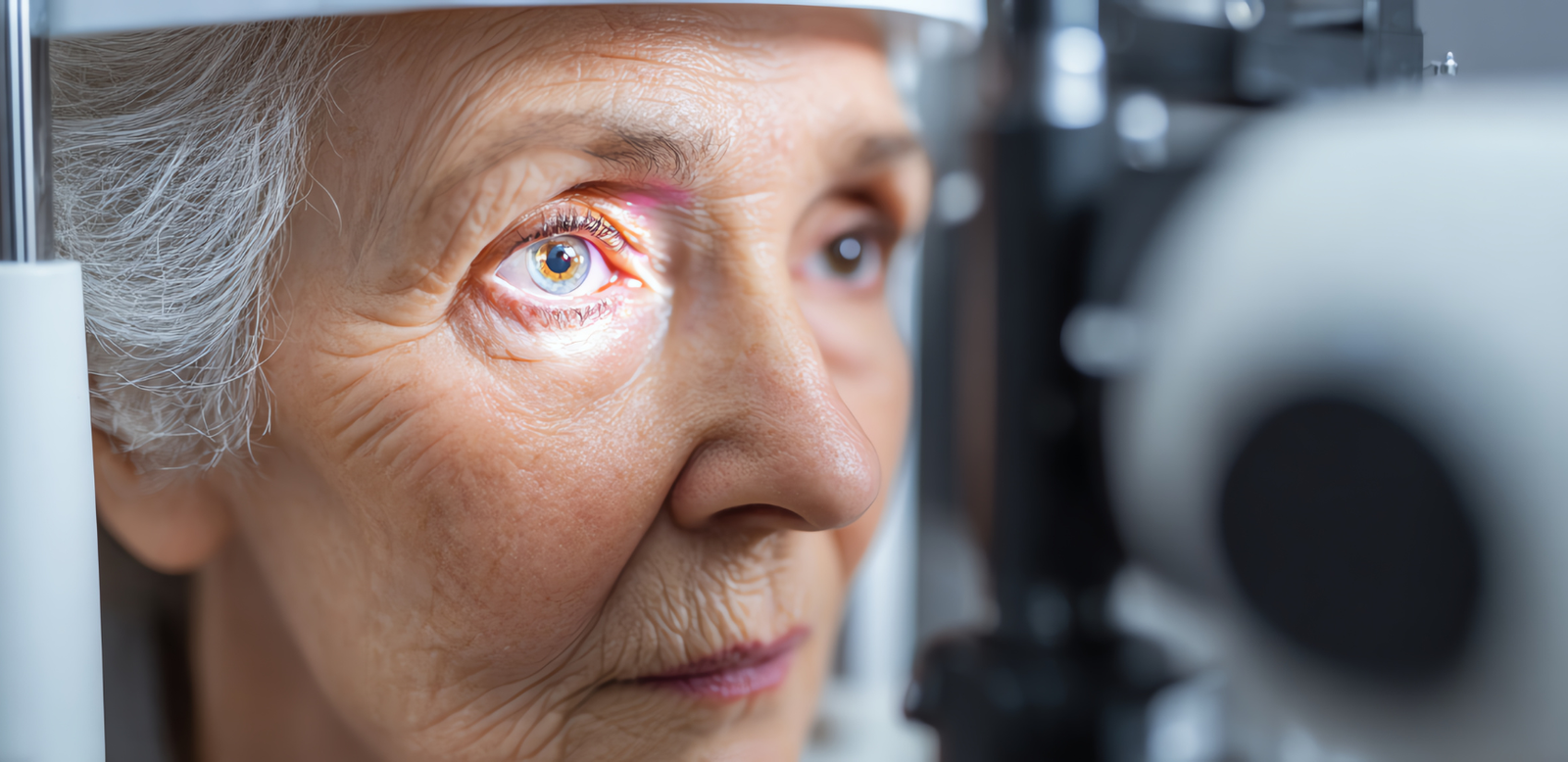
During your appointment, we will review your medical history and perform several painless tests. A slit-lamp examination allows us to get a highly magnified, 3D view of your eye’s structure, including the lens, to check for any signs of clouding. We will also perform a visual acuity test to measure the clarity of your vision at different distances. These assessments help us determine the extent of the cataract and its impact on your sight.
Struggling with cloudy vision? Our expert optometrists in Double Bay can provide a clear diagnosis and guidance. Book your comprehensive eye exam today.
Modern Cataract Treatment: Understanding Surgery
For early-stage cataracts that have a minimal impact on your vision, a change in your glasses prescription may be all that is needed. However, when cataracts begin to interfere with your daily activities, such as reading, driving, or recognising faces, the only effective treatment is cataract surgery.
Cataract surgery is one of the safest and most commonly performed surgical procedures in the world. It involves removing the clouded natural lens and replacing it with a clear, artificial one called an intraocular lens (IOL).
The procedure is typically performed by a specialised eye surgeon (ophthalmologist) on an outpatient basis. It is a quick and relatively painless operation. The surgeon makes a tiny incision in the eye, uses ultrasound to break up the cloudy lens, removes the fragments, and then inserts the new artificial IOL. The new lens is permanent and becomes a natural part of your eye, restoring clear vision.
Why Regular Eye Exams are Essential
Your vision is precious, and proactive care is the best way to protect it. Regular eye exams are vital for monitoring your eye health, especially as you get older. They allow your optometrist to track changes in your vision and detect conditions like cataracts in their earliest stages.
At The Eye Scene, we can monitor the progression of your cataracts and advise you when it is the right time to consider surgery. After your procedure, we provide comprehensive post-operative care in collaboration with your surgeon to ensure your recovery is smooth and your visual outcome is excellent.
Don’t let cloudy vision diminish your quality of life. Take the first step towards clearer sight by scheduling a consultation with our dedicated team. Book an eye test at The Eye Scene in Double Bay and let us help you see your world in focus.