
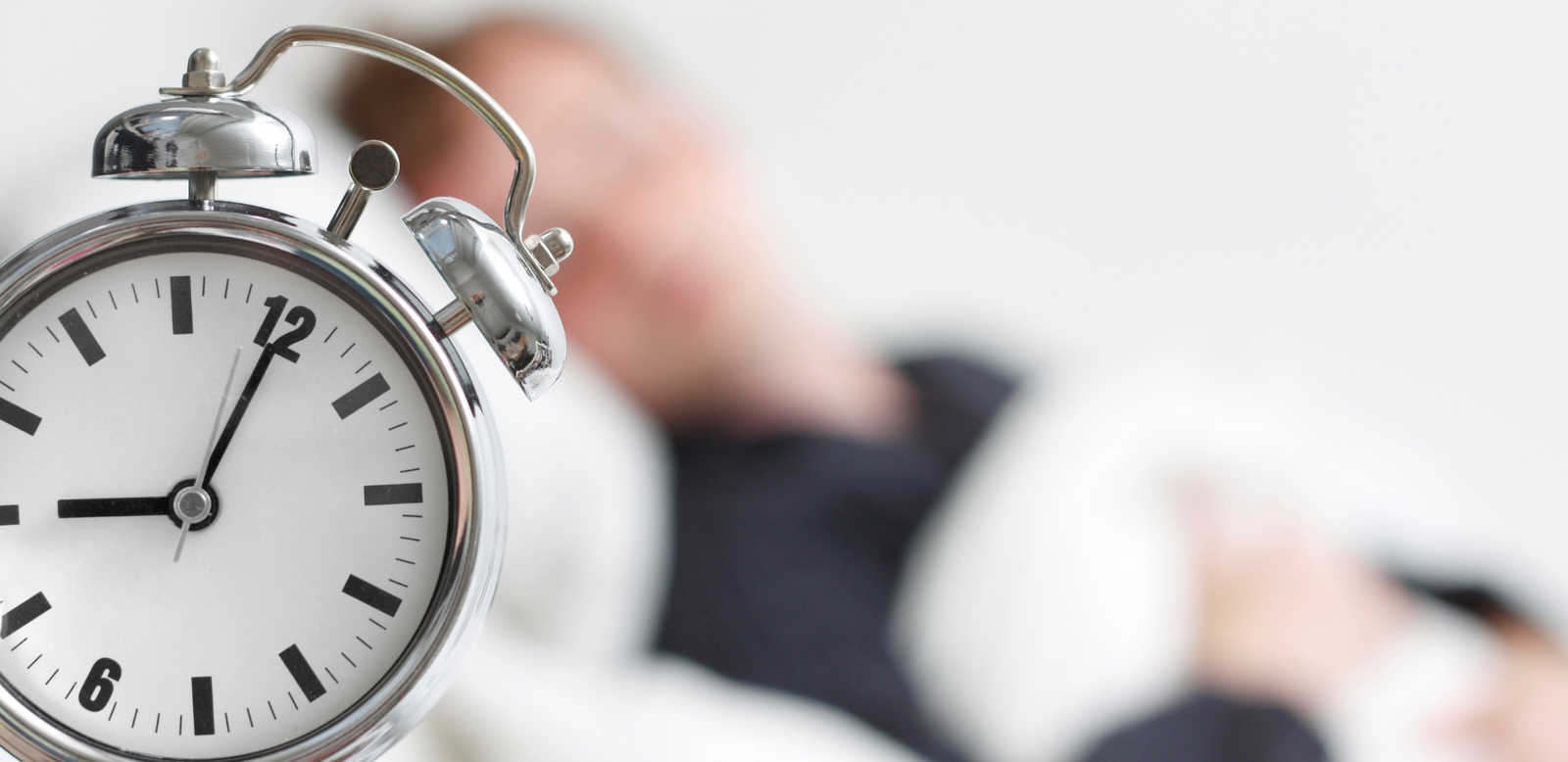
We all know how important sleep is for our overall health, but did you know it plays a crucial role in maintaining eye health? While you sleep, your eyes rest, repair, and replenish essential nutrients. Poor sleep quality or a lack of sleep can disrupt this process, leading to issues such as dry eyes, eye strain, and even blurry vision.
If you’ve been experiencing tired, irritated eyes or vision problems, it might be time to take a closer look at your sleep habits. In this guide, The Eye Scene in Double Bay will explore the connection between sleep and eye health, the common issues caused by poor sleep, and practical tips to improve your sleep hygiene for healthier eyes.
The Link Between Sleep and Eye Health
Sleep is essential for your eyes to recover from daily strain. While you rest, your closed eyes allow the tear film, a protective layer that keeps them hydrated and nourished, to rebuild. This process helps prevent dryness and irritation and supports long-term eye health.
Common Eye Issues Caused by Poor Sleep
Dry Eyes
One of the most common effects of sleep deprivation is dry eyes. Without adequate rest, your eyes may not produce enough tears to stay lubricated, leading to irritation, redness, and a gritty sensation. This can make it uncomfortable to wear contact lenses or spend time in air-conditioned environments.
Eye Strain
Tired eyes are more prone to strain, especially when you spend long hours looking at screens or reading. Sleep deprivation can make it harder for your eyes to focus, leading to discomfort, headaches, and difficulty concentrating.
Blurry Vision
Lack of sleep can temporarily affect your eyes’ ability to focus, leading to blurry or fluctuating vision. This is often a sign that your eyes are overworked and need rest.
Dark Circles and Puffiness
While not directly related to vision, dark circles and puffy eyes are common cosmetic effects of poor sleep. These symptoms can make you look tired and may indicate underlying fatigue.
Increased Risk of Eye Conditions
Chronic sleep deprivation has been associated with increased eye strain, dry eye, and impaired ocular healing. Some research suggests it may also contribute to more serious eye conditions, such as glaucoma.
How to Improve Sleep Hygiene for Better Vision
The good news is that improving your sleep habits can have a positive impact on your eye health. Here are some practical tips to help you get better rest and support your vision:
- Establish a Consistent Sleep Schedule – Go to bed and wake up at the same time every day, even on weekends. A regular sleep routine helps regulate your body’s internal clock, making it easier to fall asleep and wake up feeling refreshed.
- Limit Screen Time Before Bed – Blue light from screens can interfere with your body’s production of melatonin, the hormone that regulates sleep. Try to avoid using phones, tablets, or computers at least one to two hours before bedtime. If you must use screens, consider wearing blue light-blocking glasses to minimise the impact.
- Create a Sleep-Friendly Environment – Your bedroom should be a sanctuary for rest. Keep it dark, quiet, and cool to promote better sleep. Using blackout curtains, a white noise machine, and a comfortable mattress can make a significant difference.
- Stay Hydrated – Dehydration can contribute to dry eyes, so make sure you’re drinking enough water throughout the day. However, avoid excessive fluids right before bed to minimise disruptions to your sleep.
- Practice Relaxation Techniques – Unwind before bed with relaxation techniques like meditation, deep breathing, or reading a book. These activities can help calm your mind and prepare your body for sleep.
- Eat a Balanced Diet – Certain nutrients, like magnesium, melatonin, and tryptophan, can support better sleep. Incorporate foods like almonds, bananas, and cherries into your diet to promote restful sleep.
- Take Breaks During the Day – If you spend long hours working on a computer, follow the 20-20-20 rule: every 20 minutes, look at something 20 feet away for 20 seconds. This reduces eye strain and gives your eyes a chance to rest.
When to See an Optometrist
While improving your sleep habits can help alleviate many eye issues, some symptoms may require professional attention. You should see an optometrist if you experience:
- Persistent dry eyes or irritation despite improving your sleep.
- Frequent headaches or eye strain that interferes with daily activities.
- Blurry vision that doesn’t improve with rest.
- Sudden changes in your vision, such as flashes of light or an increase in floaters.
At The Eye Scene, our experienced optometrists in Double Bay can assess your eye health and provide personalised solutions to address your concerns.
Expert Eye Care
Your eyes work hard every day, and they deserve the best care. We’re committed to helping you maintain healthy vision through comprehensive eye exams, advanced diagnostic tools, and tailored treatment plans. Whether you’re dealing with dry eyes, eye strain, or other vision issues, our team is here to help. If you’re struggling with sleep-related eye issues, don’t wait – book an eye exam with The Eye Scene in Double Bay today.