
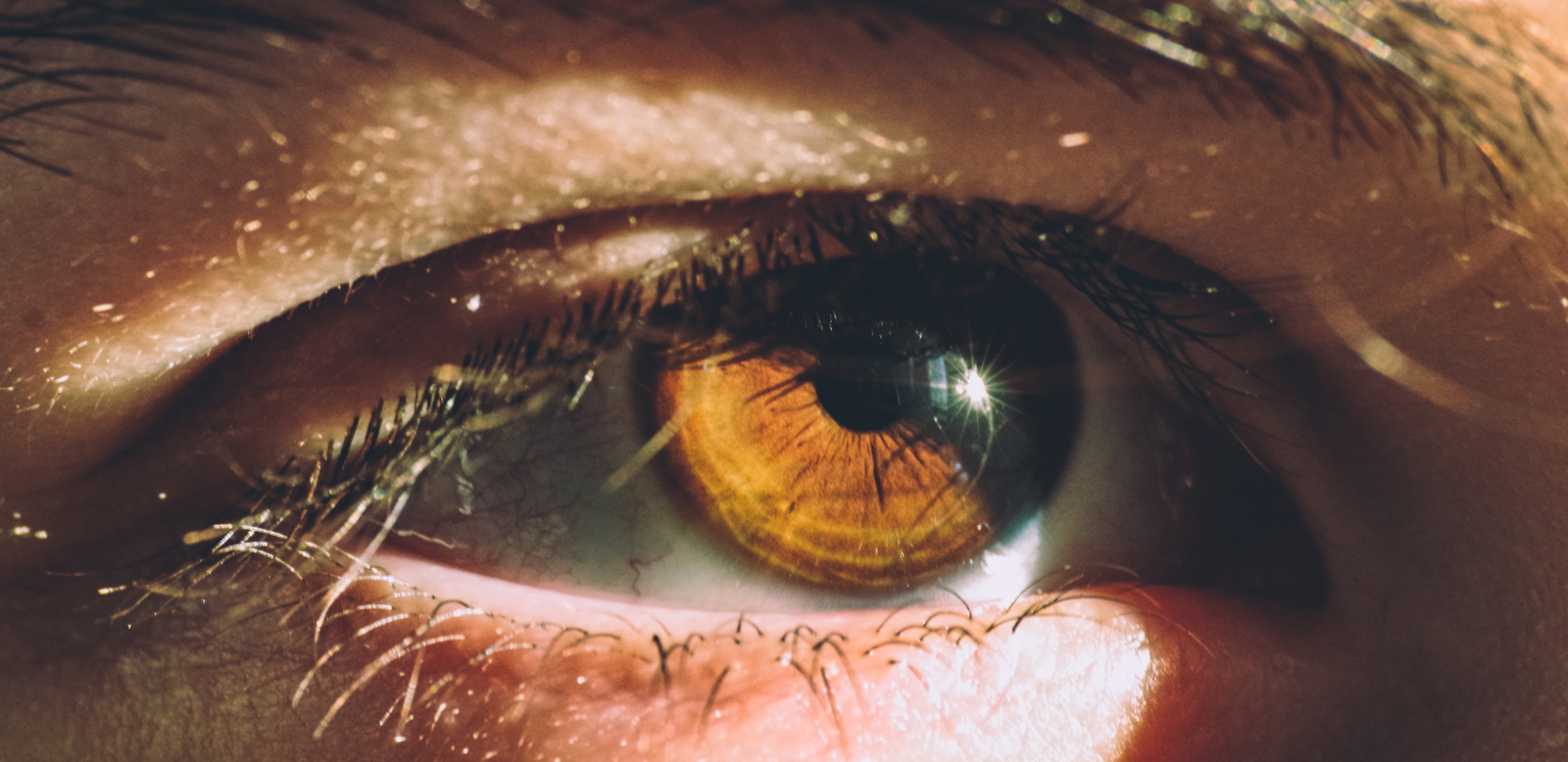
Have you ever returned from a long day at the beach or on the ski slopes, only to find your eyes feeling sore, watery, and intensely painful hours later? This uncomfortable experience might be photokeratitis, a painful but usually temporary condition often described as a “sunburn of the eye.” While most of us are diligent about applying sunscreen to our skin, we often forget that our eyes are just as vulnerable to the sun’s damaging rays.
At The Eye Scene, our goal is to empower you with the knowledge to protect your precious sight. This guide will explain the causes and symptoms of photokeratitis and, most importantly, detail the crucial prevention strategies you can adopt. With expert guidance from our optometrists in Double Bay, you can enjoy the outdoors safely.
What is Photokeratitis?
Photokeratitis is a painful inflammation of the cornea, the transparent, protective outer layer of your eye. The condition occurs when your eyes are overexposed to ultraviolet (UV) radiation. In essence, the intense UV light burns the surface of the cornea, much like how the sun burns unprotected skin.
One of the most confusing aspects of photokeratitis is its delayed onset. Unlike a skin sunburn that might appear relatively quickly, the symptoms of photokeratitis often don’t surface until several hours after the exposure. This delay can make it difficult to connect the pain and discomfort back to your time in the sun.
What Causes “Sunburn of the Eye”?
This painful condition is caused by exposure to intense sources of natural or artificial UV light. The cornea is effective at absorbing UV radiation to protect the internal structures of the eye, but it can be overwhelmed by high-intensity exposure, leading to damage.
Common sources of UV radiation that can cause photokeratitis include:
- Direct Sunlight: Spending long hours outdoors, especially on the water or at the beach, without proper eye protection, is a primary cause.
- Reflected Sunlight: This is a significant and often underestimated risk. Highly reflective surfaces can bounce UV rays directly into your eyes, dramatically increasing your exposure. Common culprits include:
- Snow: Fresh snow can reflect up to 80% of UV radiation, leading to a common form of photokeratitis known as “snow blindness.”
- Water: Boating, fishing, or swimming can expose you to intense reflected UV rays.
- Sand: A day at the beach involves exposure to both the sun above and the sand below.
- Artificial Sources: It’s not just the sun you need to be wary of. Artificial sources of intense UV light can also cause photokeratitis, often called “welder’s flash” or “arc eye” in workshop environments. These include welding torches, tanning beds, and certain high-intensity lamps.
The Warning Signs: Symptoms of Photokeratitis
The symptoms of photokeratitis can be quite alarming and uncomfortable. If you experience any of the following signs, particularly a few hours after being in a high-UV environment, you may have “sunburned” your eyes.
The key symptoms include:
- Intense eye pain, often described as a gritty or sandy feeling, as if something is in your eyes.
- Redness and inflammation of the eyes and eyelids.
- Extreme sensitivity to light, a condition known as photophobia.
- Watery eyes and excessive tearing.
- Blurred vision.
- Headaches.
While these symptoms are unsettling, it’s important to know that they are usually temporary. However, if your pain is severe or your vision is significantly impacted, it is crucial to seek professional advice immediately.
Finding Relief: How to Treat Photokeratitis
The good news is that the cornea has a remarkable ability to heal, and photokeratitis typically resolves on its own within one to three days. The main goal of treatment is to manage the discomfort while your eyes recover.
If you suspect you have photokeratitis, follow these at-home care steps:
- Stay Indoors: The most important step is to get out of the sun and rest your eyes in a dimly lit room to avoid further UV exposure and reduce light sensitivity.
- Remove Contact Lenses: If you wear contact lenses, take them out immediately. This will reduce irritation and allow your corneas to heal.
- Use a Cool Compress: Placing a cold, damp washcloth over your closed eyes can help soothe the pain and reduce inflammation.
- Lubricate Your Eyes: Use preservative-free artificial tears (lubricating eye drops) to help ease the gritty sensation and keep the corneal surface moist.
- Rest Your Eyes: Avoid reading or using digital screens, as this can cause further strain. Give your eyes a complete rest.
- Do Not Rub Your Eyes: It’s a natural instinct, but rubbing your eyes can scratch the already-damaged cornea and make the situation worse.
Prevention is the Best Medicine: The Importance of UV Eye Protection
While photokeratitis is treatable, it’s far better to prevent it in the first place. Consistent and proper UV eye protection is a simple, effective habit that safeguards your vision for life. Protecting your eyes from UV damage also reduces your long-term risk of developing cataracts and macular degeneration.
Choosing the Right Sunglasses
Not all sunglasses are created equal. To ensure you’re getting adequate protection, follow these guidelines:
- Check the Label: Your sunglasses must offer 100% protection against both UVA and UVB rays. Look for a label that says “UV400” or “100% UV protection.” The colour or darkness of the lens does not indicate its level of UV protection.
- Opt for Wraparound Styles: Choose close-fitting, wraparound frames that cover a large area. This design prevents UV rays from entering your eyes from the sides, above, and below.
Beyond Sunglasses
- Wear a Hat: A wide-brimmed hat can block as much as 50% of the UV radiation that reaches your eyes from above.
- Use Specialised Goggles: If you are skiing, snowboarding, or working with high-intensity light sources, wear certified, high-quality goggles or safety glasses that provide full UV protection.
When to See Your Optometrist in Double Bay
While most cases of photokeratitis heal without complications, it is always wise to consult an optometrist if you are concerned. A professional can properly assess the extent of the damage, ensure there is no infection, and rule out any other serious issues.
Here at The Eye Scene, our optometrists can confirm the diagnosis and, if necessary, prescribe medicated eye drops to reduce inflammation and prevent infection. We can also provide expert advice on the best UV protection solutions for your lifestyle, ensuring you are never caught unprepared again.
Don’t wait for a painful sunburn to think about eye safety. Book an eye test with our experienced team at The Eye Scene in Double Bay to discuss your UV protection needs.