Myopia, also known as short-sightedness, is one of the most common vision conditions worldwide. It affects millions of people and makes it difficult to see clearly at a distance.
At The Eye Scene, located in Double Bay, Sydney, we specialise in diagnosing and managing myopia to help individuals achieve better vision and protect their eye health. Read on to learn about myopia, why management is essential, and how we can help you or your loved ones maintain crisp, clear vision.
What Is Myopia? Understanding this Common Vision Issue
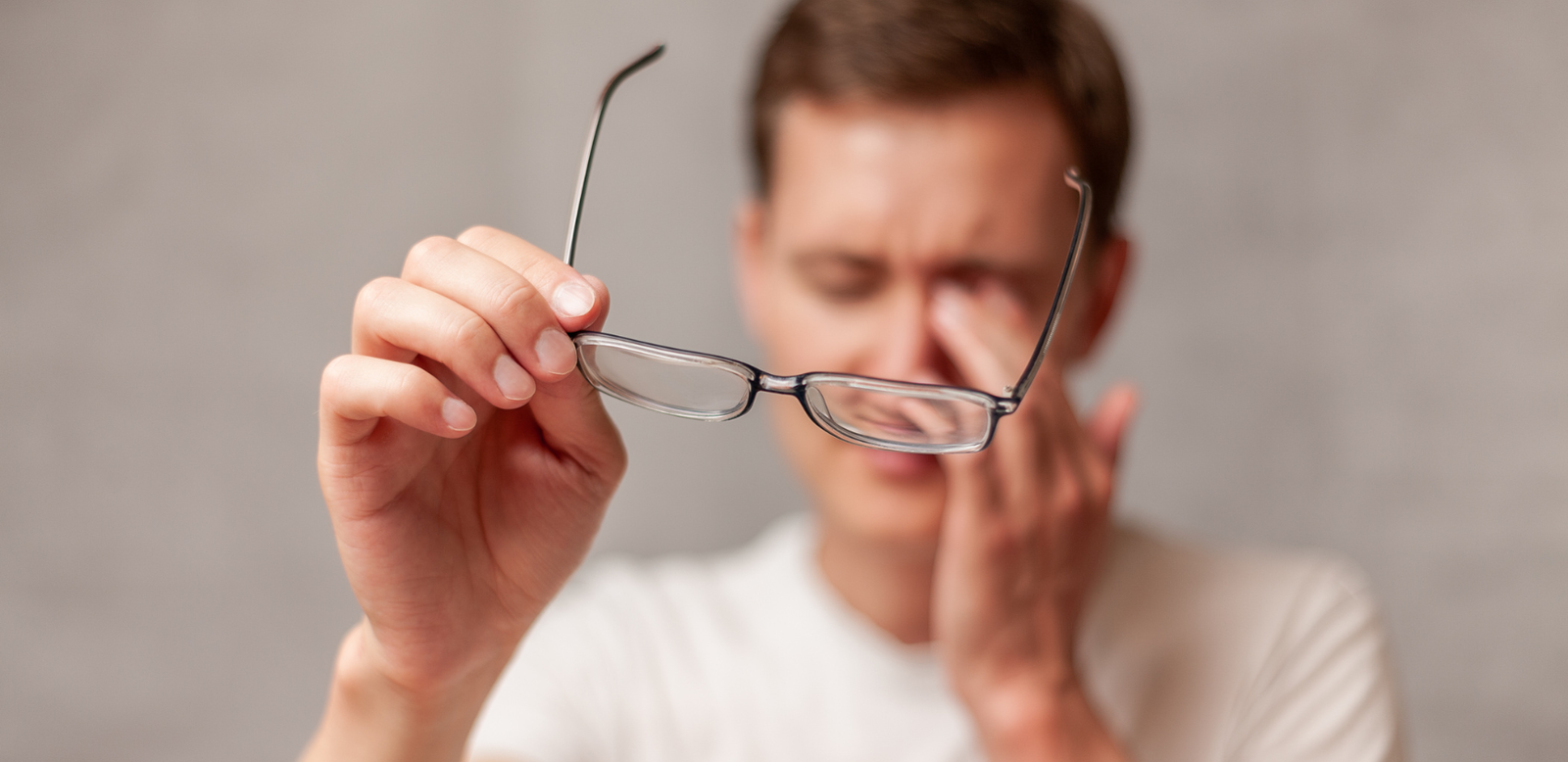
Myopia occurs when the shape of the eye bends light so that it focuses in front of the retina instead of hitting it directly. This leads to blurred vision when looking at distant objects, while close-up vision remains clear. Common symptoms include difficulty reading signs while driving or squinting to see the board in a classroom.
Although it often begins during childhood, myopia can develop at any age. Left untreated, it can worsen over time, increasing the risk of eye strain, headaches, and even serious complications like retinal detachment or glaucoma.
Key Causes and Risk Factors of Myopia
Both genetic and environmental factors contribute to the development of myopia. If one or both parents are short-sighted, their child is more likely to develop myopia. Beyond genetics, modern lifestyles are playing a significant role in the increasing prevalence of this condition.
Spending too much time on devices like tablets, phones, and computers has been linked to an increased risk, particularly in children. A lack of outdoor activities and minimal exposure to natural light can worsen this.
These habits are fueling a global “epidemic” of myopia, making early detection and management more important than ever.
Signs You Might Have Myopia
Do you suspect you or your child may have myopia? Here are some telltale signs to look out for.
- Difficulty seeing objects clearly at a distance, such as road signs or television screens.
- Squinting to see better.
- Frequent headaches, often triggered by eyestrain.
- Difficulty focusing during activities like sports or driving.
- Holding books, tablets, or phones very close to the face.
When these signs appear, arranging an eye exam is essential. Catching myopia early can help prevent it from getting worse over time.
Why Myopia Management Matters
Managing myopia isn’t just about improving your day-to-day vision. It’s also about protecting your long-term eye health. Without proper intervention, progressive myopia can lead to high myopia, which increases the risk of vision-threatening conditions like retinal detachments, glaucoma, and cataracts.
Early intervention can slow down the progression of myopia, especially in children. Treatments like specialised spectacle lenses, soft contact lenses, low-dose atropine eye drops and orthokeratology (ortho-k) are designed to slow the progression of myopia. At The Eye Scene, our experienced optometrists provide tailored myopia management plans designed to meet your unique needs.
Managing Myopia with Treatments and Lifestyle Changes
With progress in eye care technology, tackling myopia has become more effective than ever. Below are some of the top treatments to consider.
1. Myopia Management Spectacle Lenses
Specialised lenses are designed to slow the progression of myopia, particularly in children and adolescents. They work by altering how light is focused on the retina.
2. Myopia Management soft Contact lenses
Specialised soft contact lenses are designed to slow the progression of myopia, particularly in children and adolescents. They work by altering how light is focused on the retina and providing peripheral blur on the retina.
3. Low-dose Atropine Eye drops
These are eyedrops that are instilled every night before bed which are shown to reduce the progression of myopia in children. Your Optometrist will recommend the appropriate dosage and will be able to tailor this as they closely monitor your myopia progression.
4. Healthy Lifestyle Practices for Vision Care
Simple habits can help minimise eye strain, such as taking regular breaks from screens, following the 20-20 rule (every 20 minutes, lookinto the distance for 20 seconds), and spending more time outdoors.
How The Eye Scene in Double Bay Can Help
At The Eye Scene, our optometrists are committed to providing comprehensive eye exams and personalised myopia management plans to help patients achieve their best vision. Located in the heart of Double Bay, we combine state-of-the-art technology with a stylish boutique experience.
Whether you’re seeking myopia management for your child or need fashionable, high-quality eyewear for yourself, our team is here to assist. We work closely with patients to design solutions that correct vision and promote long-term eye health.
Book Your Eye Test Today
If your child is wearing glasses for myopia or has complained of blurred vision in the distance, book an appointment to discuss myopia management. Give your child the best chance for long-term healthy eyes. Our expert team at The Eye Scene is here to help. Book a comprehensive eye test at our Double Bay boutique and explore the best treatment options for yourself or your family.
Schedule your appointment today!
Invest in your vision today for a clearer tomorrow. Your eyes will thank you.
Frequently Asked Questions About Myopia
Can children outgrow myopia?
No, myopia typically doesn’t go away as a child grows. However, early intervention and management can slow down progression.
How often should I have an eye test?
An eye exam every 1-2 years is recommended for most people. Your optometrist may suggest more frequent visits if we are managing myopia or any other ocular conditions.
Are there risks associated with not treating myopia?
Yes, untreated myopia can worsen over time and increase the risk of developing severe eye conditions later in life.