You’ve almost certainly heard the phrase “20/20 vision” used to describe perfect eyesight. It’s a common goal for many people to visit their optometrist. But what does it actually mean to have 20/20 vision? Is it the ultimate measure of eye health, or is there more to the story?
Understanding this common term is the first step toward better appreciating your own eye health. This guide will break down the meaning of 20/20 vision, explore how it is measured, debunk some common myths, and explain why regular eye exams are essential for everyone.
What Does 20/20 Vision Really Mean?
In simple terms, 20/20 vision is a measure of your visual acuity. Visual acuity refers to the sharpness or clarity of your vision from a specific distance. If you have 20/20 vision, it means you can clearly see an object at a distance of 20 feet (about 6 metres) that most people should be able to see from that same distance.
It’s a standard measurement, not a mark of perfection. Think of it as “normal” or average sharpness. When your eyes are looking at something 20 feet away, the muscles are relaxed. This makes it an ideal distance for testing your baseline visual clarity without requiring your eyes to work hard to focus.
How We Measure Your Visual Acuity
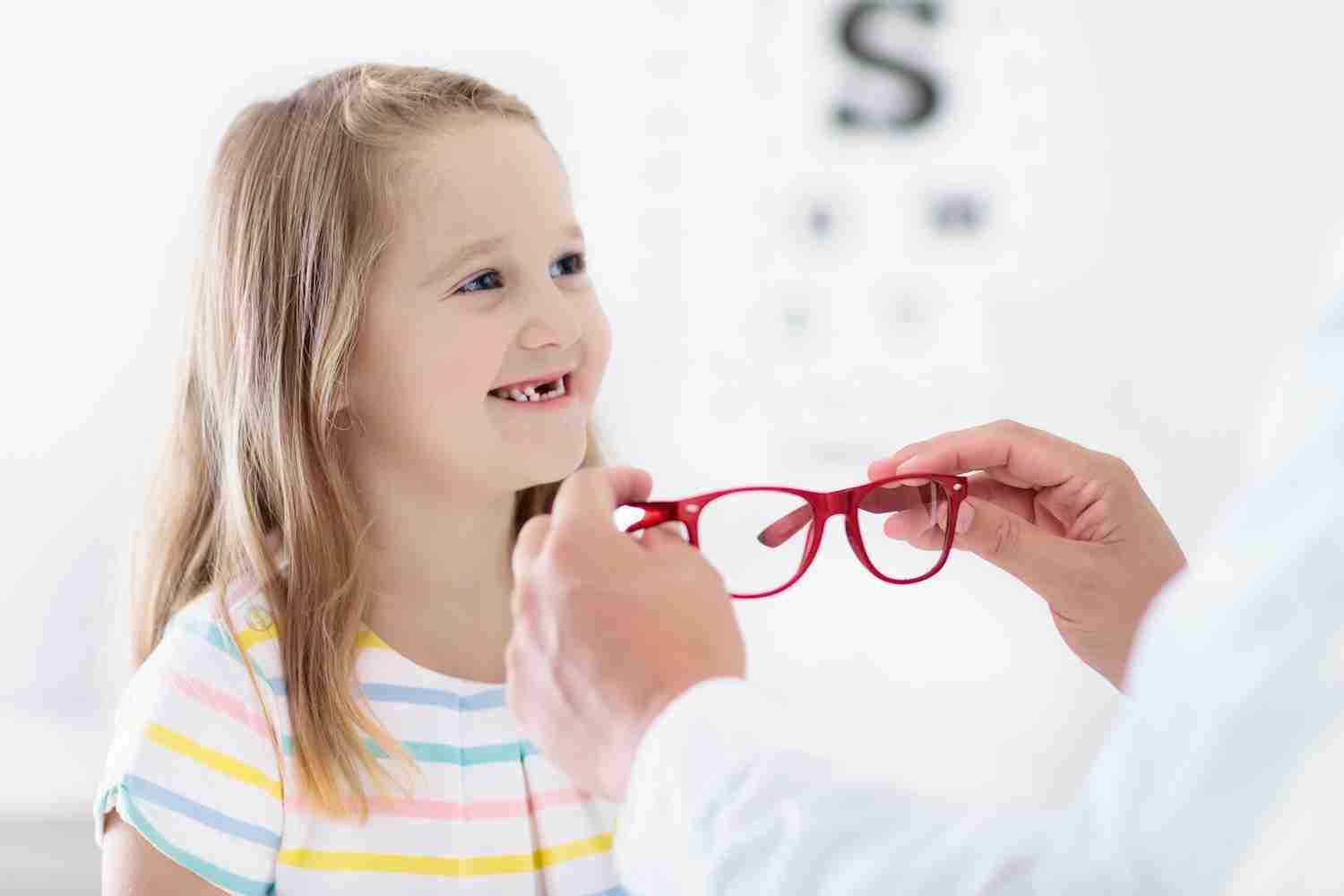
To determine your visual acuity, optometrists use a tool that has been a staple of eye care for over a century: the Snellen chart.
What is a Snellen Chart?
Developed by Dutch ophthalmologist Herman Snellen in the 1860s, the Snellen chart displays rows of capital letters that get progressively smaller. You’ve definitely seen one before. During an eye test, you’ll be asked to read the smallest line of letters you can see from 20 feet away.
The results are given as a fraction. The top number represents your distance from the chart (20 feet), and the bottom number indicates the distance from which a person with normal eyesight can read the same line.
- 20/20: This is normal visual acuity.
- 20/40: This means you need to be 20 feet away to read letters that a person with normal vision could read from 40 feet away. Your vision is less sharp than average.
- 20/15: This indicates vision that is sharper than average. You can see details from 20 feet away that most people can only see when they are closer, at 15 feet.
Common Misconceptions About 20/20 Vision
The term “20/20 vision” is often misunderstood. Let’s clear up a few common myths.
Myth 1: 20/20 Vision Means Perfect Eyesight.
This is the biggest misconception. While 20/20 vision indicates excellent sharpness at a distance, it doesn’t measure other critical visual skills. A comprehensive eye exam also assesses:
- Peripheral (Side) Vision: Your ability to see objects around you without moving your eyes.
- Eye Coordination: How well your eyes work together as a team.
- Depth Perception: The ability to judge the distance of objects.
- Focusing Ability: How well your eyes can shift focus between near and far objects.
- Colour Vision: Your ability to distinguish between different colours.
You can have 20/20 vision and still have significant issues with these other aspects of your eyesight.
Myth 2: If You Don’t Have 20/20 Vision, Something is Wrong.
Not necessarily. Only about 35% of adults naturally have 20/20 vision without any correction. With corrective measures like glasses or contact lenses, that number jumps to around 75%. Many people have varying levels of visual acuity, but they function perfectly well with the correct prescription.
Myth 3: You Can’t Have Vision Problems if You Have 20/20 Vision.
Unfortunately, this is not true. Several eye diseases, such as glaucoma, diabetic retinopathy, and even certain types of cataracts, may not affect your distance vision in their early stages. You could have 20/20 vision while an underlying condition is silently progressing. This is why comprehensive eye exams are so crucial.
Why Regular Eye Exams Matter More Than a Number
Chasing a 20/20 score isn’t the main goal of eye care. The primary objective is to ensure your long-term eye health. Regular check-ups with your optometrist are vital for maintaining good vision and detecting potential problems before they become serious.
Here at The Eye Scene in Double Bay, our comprehensive eye exams go far beyond a simple Snellen chart test. We evaluate your complete visual system and screen for common eye conditions. Detecting issues early gives us the best chance to manage them effectively and protect your sight for years to come. Whether you’re working in an office in the Sydney CBD or enjoying the coastal views, clear and healthy vision enhances your quality of life.
Take the Next Step for Your Eye Health
Understanding your vision is the first step, but taking action is what truly matters. Whether you’re concerned about changes in your eyesight or simply due for a routine check-up, our team is here to provide expert care.
A proper eye test by our optometrists can diagnose what is affecting your ability to see well and give you a complete picture of your eye health. Don’t wait for a problem to arise.
Worried about your vision? Our friendly optometrists in Double Bay are ready to help. Book an appointment today by calling us on 9362-9944 or book easily online.
Frequently Asked Questions (FAQs)
What does 20/40 vision mean?
Having 20/40 vision means your visual acuity is half of the usual standard. To see an object clearly, you need to be 20 feet away, whereas a person with 20/20 vision could see it just as clearly from 40 feet away. In Australia, this is generally the minimum vision requirement for driving without corrective lenses.
Can you improve your vision to 20/20?
It depends on the cause of your reduced vision. If it’s due to a refractive error like myopia (nearsightedness), hyperopia (farsightedness), or astigmatism, then yes. Glasses, contact lenses, or corrective surgery can often restore vision to 20/20. However, if the vision loss is due to an eye disease, improvement may not be possible, making disease management the primary focus.
Is it possible to have vision better than 20/20?
Yes, it is. Some people naturally have 20/15 or even 20/10 vision, meaning their eyesight is sharper than that of the average person. This is often found in younger people with healthy eyes.